


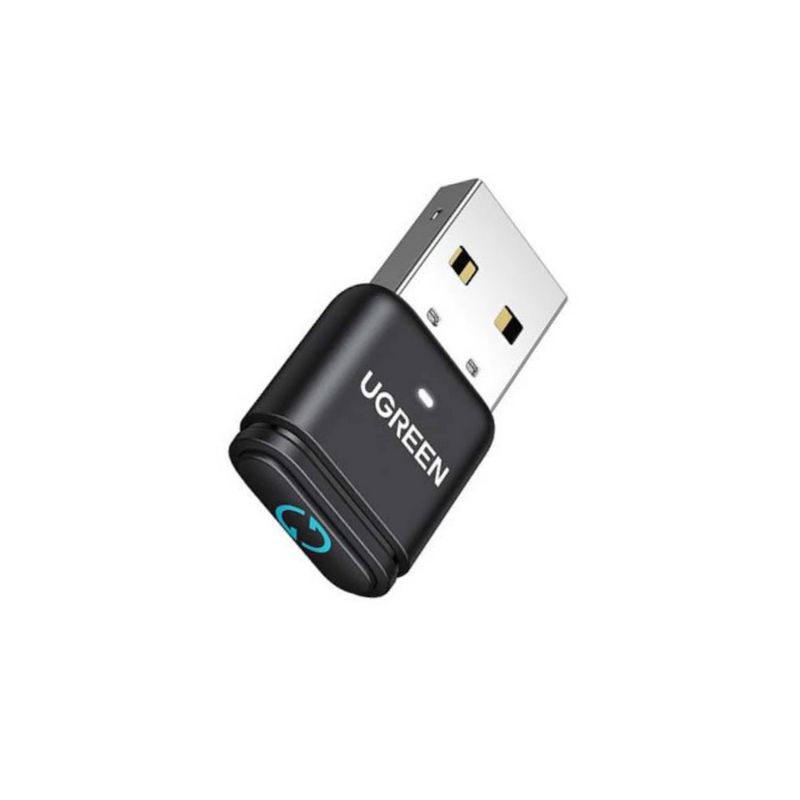
UGREEN BT301 (35994) Bluetooth 5.3 Adapter
✅ Main Features
Bluetooth version 5.3: offers improved stability, higher data‐rates and lower power consumption compared to earlier versions.
Supports simultaneous connection of up to 5 Bluetooth devices (e.g., mouse, keyboard, headphone, game‐controller) to one PC.
Ultra-compact “nano” USB dongle design: very small form-factor (approx. 1.12 × 0.63 × 0.28 inches) so it can stay plugged in without obstruction.
Plug & Play for Windows 8.1 / 10 / 11 (no driver installation needed in most cases).
Backward compatible with previous Bluetooth versions (5.2/5.1/5.0/4.0) so it can work with older devices.
Good for multiple device‐types: Game controllers, headphones, PC peripherals (mouse/keyboard) etc.
- অস্থির শীল বাজার ব্যবস্থার কারণে,
- ***অর্ডার করার পূর্বে পন্যের স্টক, দাম সংক্রান্ত ও ডেলিভারি সম্পর্কে জেনে নেয়ার অনুরোধ করা যাচ্ছে।
- ***ঢাকার বাহিরে ডেলিভারির জন্য অগ্রিম ২০০ টাকা (BKash/Nagad- 01729525052) এই নম্বর এ সেন্ডমানি করে ফেসবুকে অর্ডার নম্বর সহ স্ক্রিনশট দিন।
- ***প্রোডাক্টের অবশিষ্ট টাকা আপনি ক্যাশ অন ডেলিভারিতে পরিশোধ করবেন।
Inhouse product

-

Memo CX08 PRO Mobile Phone Cooler
৳1,349.00 -
Memo CX15 Mobile phone cooler
৳1,390.00 -
Ulanzi A100 Wireless Lavalier Microphone
৳2,650.00 -
Dahua Micro SD Card 64GB C100
৳580.00



✅Specifications
-
Model: BT301 (P/N 35994)
-
Bluetooth version: 5.3 (backward compatible with 5.2 / 5.1 / 5.0 / 4.0)
-
Interface: USB-A plug in (USB dongle)
-
Frequency range: 2 400 MHz to 2 483.5 MHz
-
Maximum RF output power (EIRP): 4 dBm
-
Operating (line-of-sight) range: Up to approximately 20 m / 66 ft (no blocking)
-
Dimensions: 1.12 × 0.63 × 0.28 inches
-
Use case: Game controller, headphones, PC, mouse, keyboard etc.
-
Additional features: Supports up to 5 different Bluetooth devices connected simultaneously (though if you connect multiple audio output devices only one may play at a time)
-
Plug & Play for Windows 11/10/8.1 (in Bluetooth mode)
-
Warranty: 1-year brand warranty in some regions.
✅ Points to note
-
Since it uses Bluetooth 5.3, you’ll get improved energy efficiency and potentially better coexistence with other wireless devices compared to older versions.
-
The “up to 20 m” range is under ideal conditions (line of sight, no obstacles). Walls, interference or other devices will reduce actual range.
-
While it supports up to 5 devices simultaneously, that doesn’t necessarily mean full functionality for all at once (especially with multiple audio streams) — just something to be aware of.
-
It is primarily targeted at Windows for the Bluetooth adapter functionality; Mac support may be limited or require additional steps.
-
The specification sheet does not list some deeper details such as specific chip model, audio codecs supported (if any), or exact latency figures — so if you have an advanced use case (e.g., Bluetooth audio with low-latency), you may need to check with the manufacturer or look for user reviews.
What is the best price of UGREEN BT301 (35994) Bluetooth 5.3 Adapter in Bangladesh ?
The latest price of UGREEN BT301 (35994) Bluetooth 5.3 Adapter in Bangladesh is ৳850.00 You can buy the UGREEN BT301 (35994) Bluetooth 5.3 Adapter at best price from our website.Related products

UGREEN v6.0 Bluetooth Adapter (75073) CM748
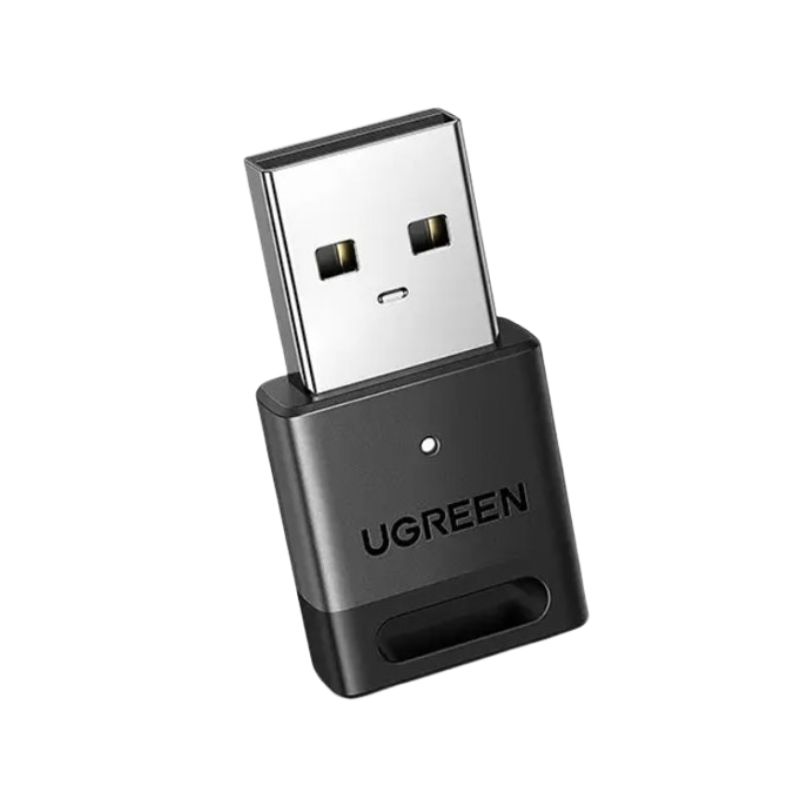
UGREEN CM591 (35995) Bluetooth 5.3 Adapter
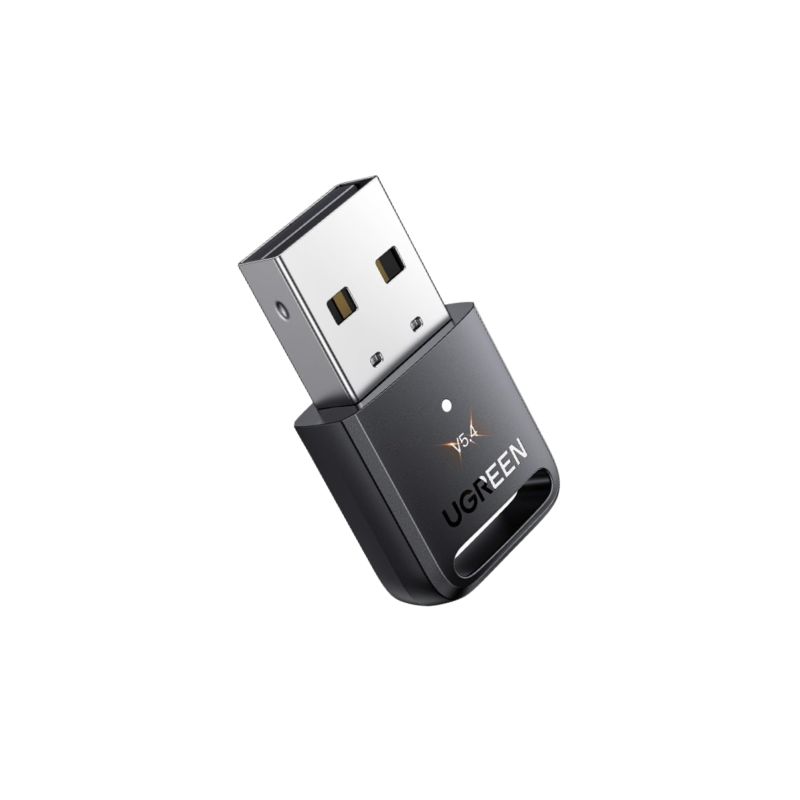
UGREEN CM748 (35058) Bluetooth 5.4 Adapter
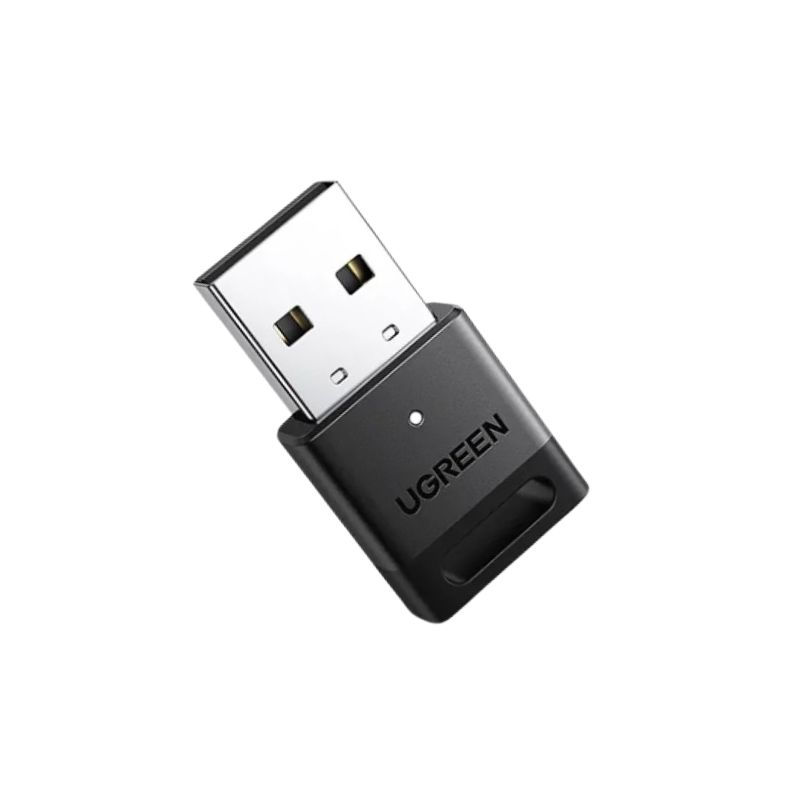
UGREEN CM748 (45134) Bluetooth v5.4 Adapter
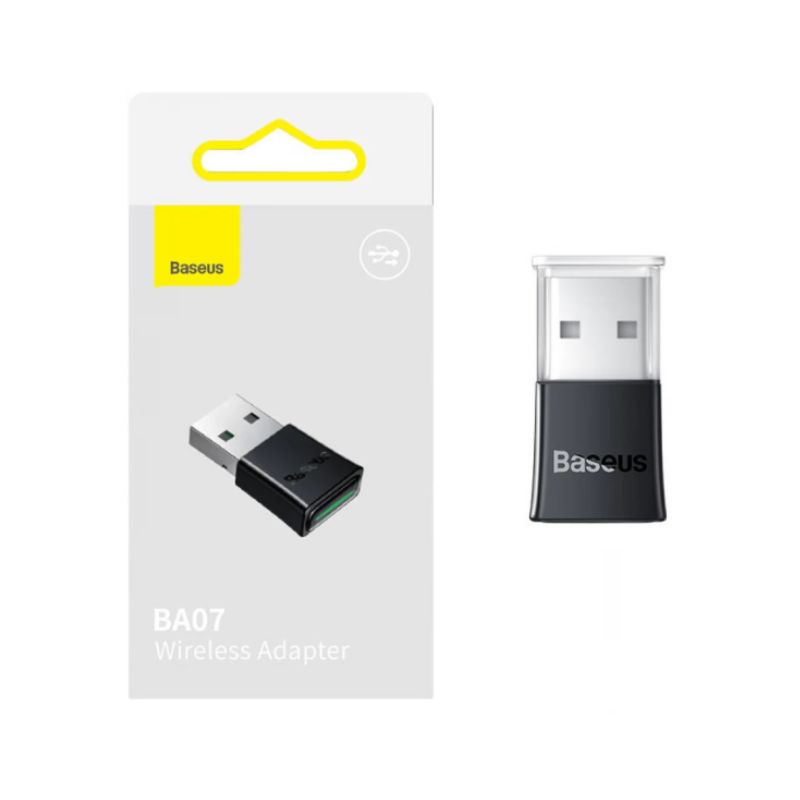
Baseus BA07 Bluetooth 5.3 USB Adapter
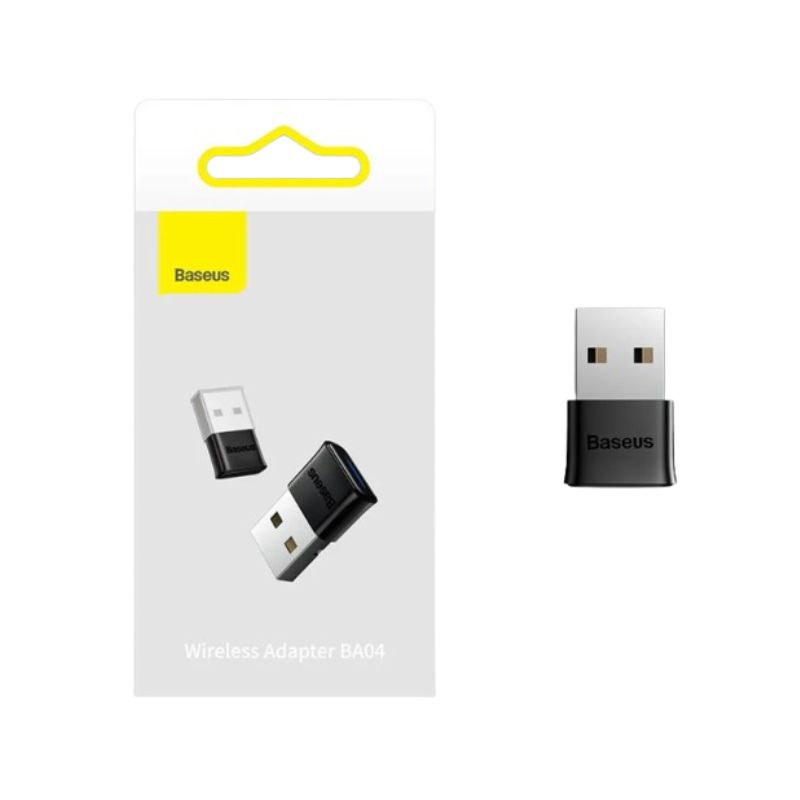
Baseus BA04 Bluetooth v5.0 USB Adapter
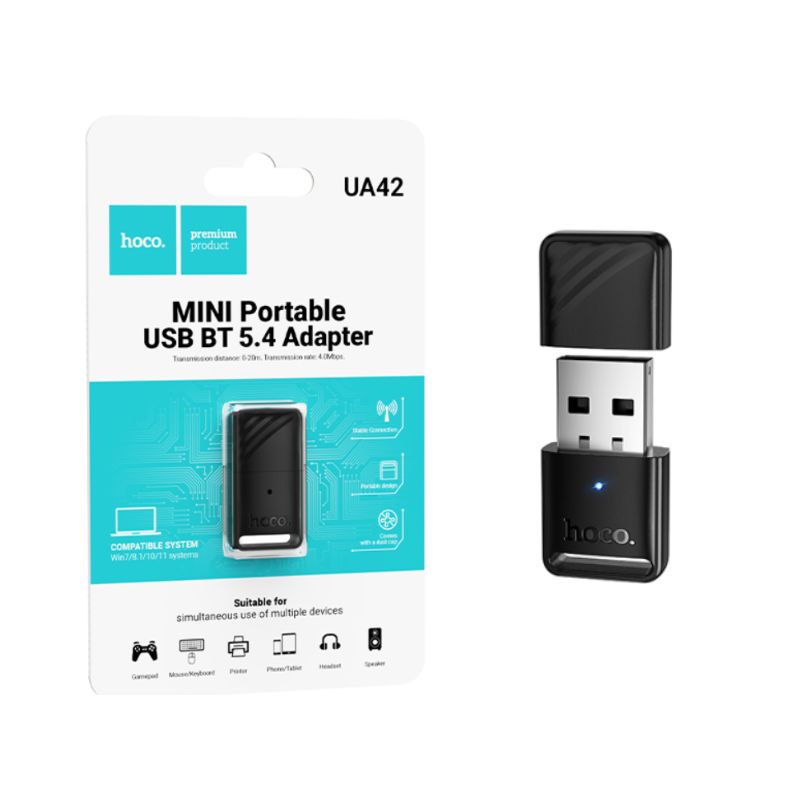
Hoco UA42 USB Bluetooth 5.4 Adapter
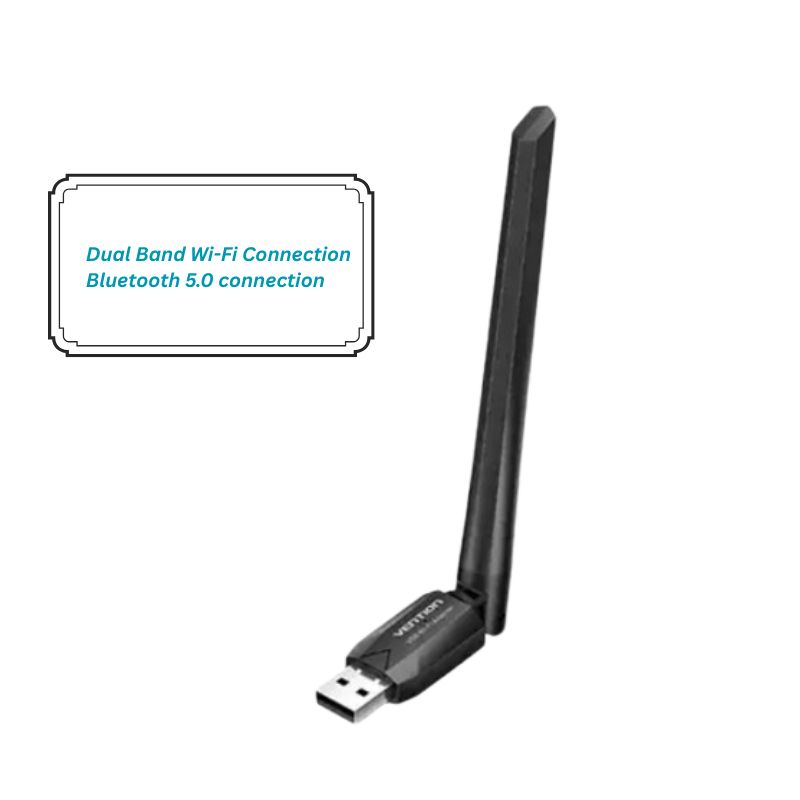
Vention KDUB0 AC650 Dual Band USB Wifi And Bluetooth Adapter
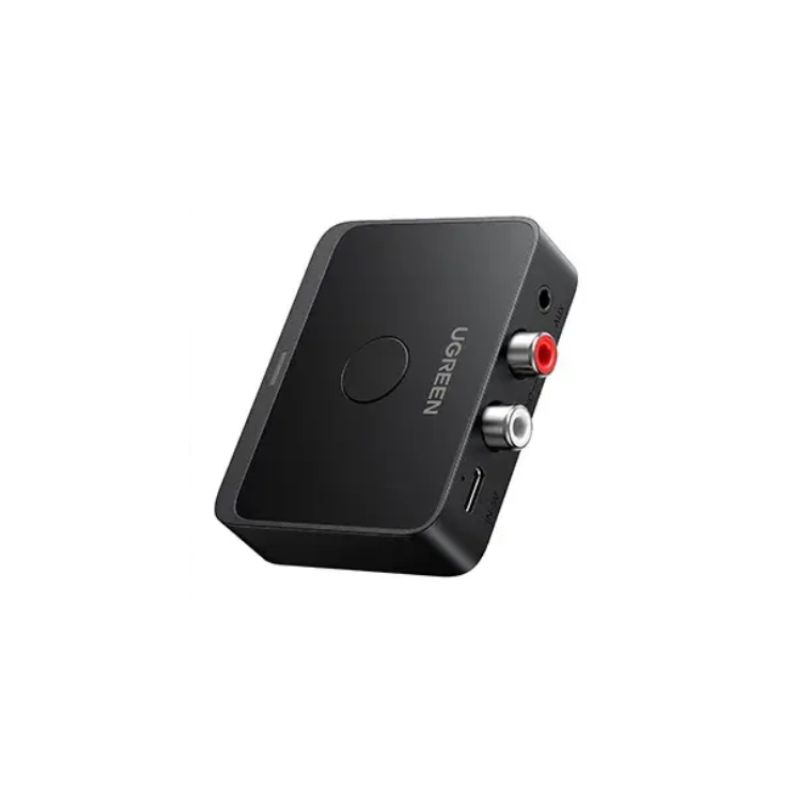
Ugreen BT505 Wireless Bluetooth 6.0 Audio Receiver With LDAC 55545

Contact Info
- Address: Katabon Signal, New Elephant Road, Dhaka-1205.
- Phone: 01729525052
- Email: igadgetbd@gmail.com

